
Helpful Driving Tips for New Drivers

-
Stopping Distances – Dry Conditions
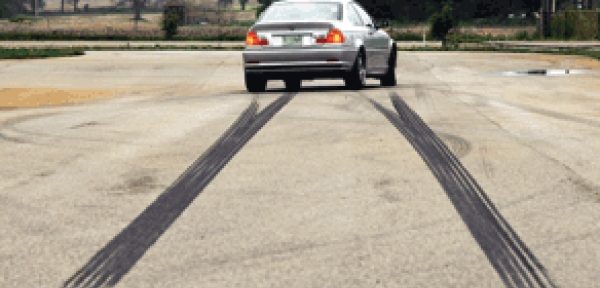
Stopping Distances – Dry Conditions When driving one must always consider the weather and how that affects road conditions. The following are recommended safe driving distances for dry driving conditions. Dry Driving Conditions Stopping Distances
-
Safe Driving Tips
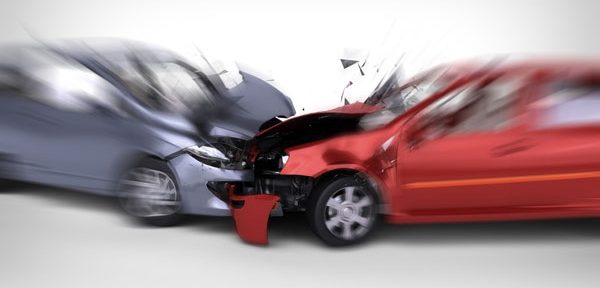
Safe Driving Tips Being a safe driver is more than just going the speed limit (though that is really important). Speed is a key factor and increases the likelihood of an accident significantly but there are a number of other considerations.
-
Keep Your Eyes Moving
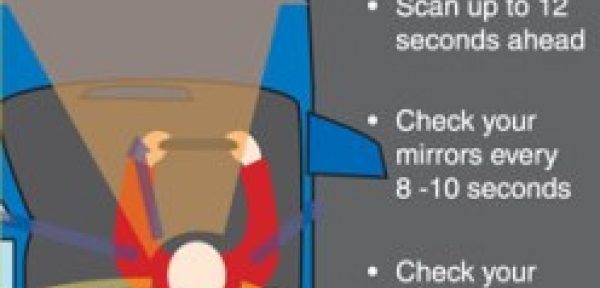
Keep Your Eyes Moving Many accidents and near misses occur because one or both of the drivers didn’t see each other in time to avoid a collision. Scanning the road ahead as well as the area immediatly around you car is essential. By moving your eyes constantlyand scanning the road ahead in the far distance,…
-
Safe Following Distance
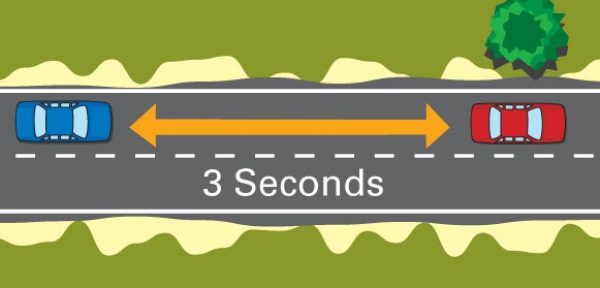
Safe Following Distance The simplest way to protect yourself from an avoidable collision is to leave a suitable space between you and the car in front. Rear end collisions account for over 35% of all accidents in the metropolitan area, and are particularly likely in built up traffic. Although we might like to think that…
-
Stopping Distances in Wet Driving Conditions
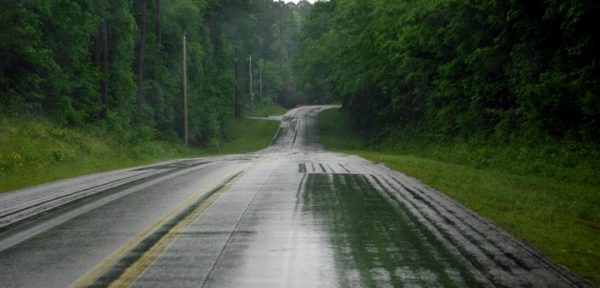
Stopping Distances in Wet Driving Conditions As a driving it is imperative that you are aware of the weather and how it can affect driving conditions. In this article we look at the recommended stopping distances to be aware of in Wet Driving Conditions.
-
Blind Spots for Trucks
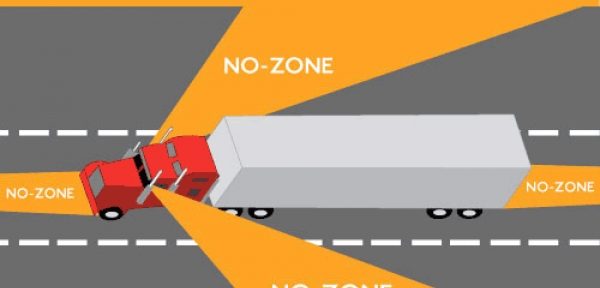
Blind Spots for Trucks It is really important to be aware of the fact that different vehicles will have different blind spots or No-Zones where the driver of that vehicle will not be able to see another vehicle or road obstacle. This image addresses the blind spots or No-Zones for a large transport truck. Please…